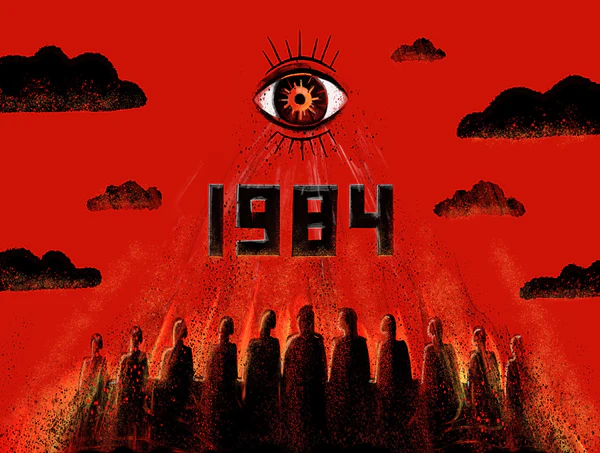
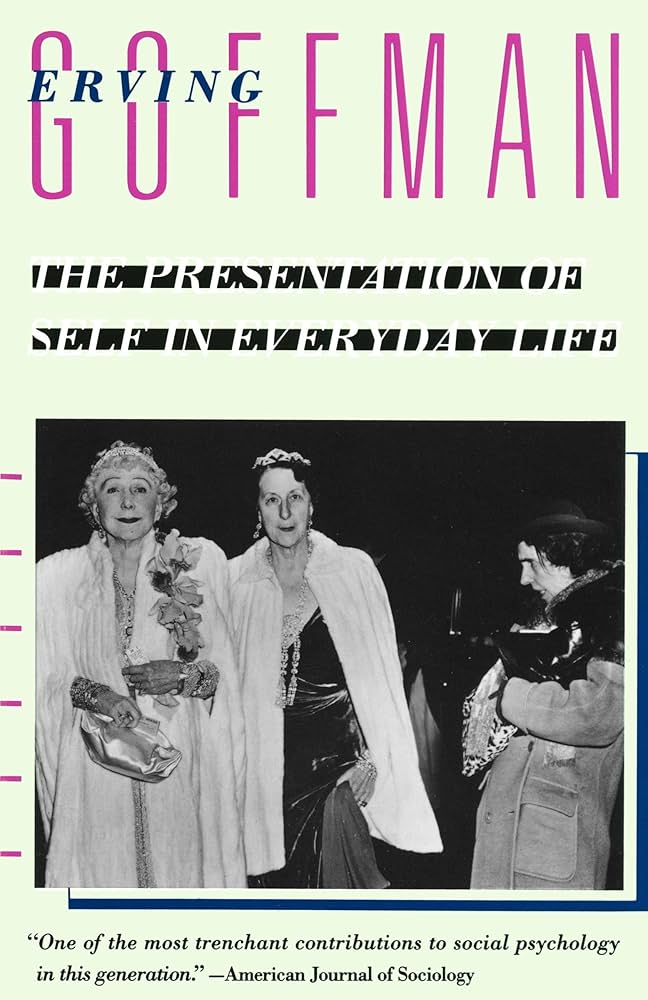
The question — why write a book? — has been lingering in my head for a while now. I recently had a revelation, after my pretentious reader phase, that I was actually not acting all along. I do like reading and thinking about codes the authors jotted down with immense ease of difficulty, and, finally, suspended in the sky among vultures, eagles, hunters, friendly looking hostile tweety birds, and other amicable creatures by the publisher.
In a hope that another creature would find it pretty enough, or intriguing enough to pay few pence for it, first, and, then, devote innumerable hours to, first, decode it, and, then, operate with its faint presence in subconscious that screams to resurface the moment conditions are pertinent.
This particular realisation isn’t a new one, almost each intimate encounter with the potent literature — mind you potent by my standards — gets my engine going, and takes me to a place identical to the one I’m trying to paint a picture of!
However, the moment I sit down to narrate the journey I have been on with this lovely, horrible, incomprehensible (for me), misunderstood (by me), intelligible, and what adjectives not text, I fail all the time. You can check my other work, they are sheer trash — that’s the kindest way to define them.
Why? Why do I fail? I think it has to do something with my inability to pen what I think, sad face emoji. Also, I believe it, for sure, has something to do with my fetish to be a ‘pretentious literary critic.’ Thus, I want to follow a structure that relates the text under review with every piece of similar and dissimilar text I have read just to prove that my retention and abstraction are better than others!
Meanwhile, while the whole lot of readers are losing interest (Bone et al., 2025) to care about what anyone has to offer in their lengthy review — I guess I went a little overboard with my assumptions! But who cares anyway? I do! Seriously, the importance of literary critics can’t be undervalued. Especially at a time when the field is going through a major transition.
However, I believe, at the same time, that these ‘overtly intellectualized’ reviews are sucking the fun out of reviewing and reading the reviews. Many like me and my turnip friends would love a sparkling debate on the most benign things in the novel that we found interesting while it remained obscure to others! We don’t want to know about what the story is about, or how difficult it is to comprehend — I mean how could a literary critic ever tell something is difficult or easy for a ‘mango man’ like me, who happens to find everything difficult?!
What I care about is pure emotion, what chords did it hit in my head and heart (if there is anything like that), and how it felt two days after reading it? It has to be crude, and raw, it has to be passionate in its love and hate even if it fails to stand objective — the change of the heart could be updated in future with a note. And that is exactly what I’m willing to do in the near future when I sit to write the review of a text. I’m unclear to what degree will it be readable, and of any utility to the readers but that’s exactly what I’m opposed to!
To me, mediadecoded.in is a place for companions, thinkers, dissenters, debaters, passionate, and alive people, who don’t shy away to put across their point and refute what I write as sheer non-sense. All I want is that debate to happen. Cheers!
References
Bone, J. K., Bu, F., Sonke, J. K., & Fancourt, D. (2025). The decline in reading for pleasure over 20 years of the American Time Use Survey. IScience, 113288–113288. https://doi.org/10.1016/j.isci.2025.113288